 By Stanley GichukiPublished 5 November 20265 min read
For UK travellers, Kenya’s main safari parks are generally safe, especially when you travel with a licensed operator and follow your guide’s instructions. The Foreign Office (FCDO) advises against travel to some areas near the Somali border and parts of the north coast, but none of the parks or beaches we use are in those areas.
Every one of the Kenya safaris we put together stays in places such as the Masai Mara, Amboseli, Tsavo, Lake Nakuru, Lake Naivasha, Samburu, Ol Pejeta, Nairobi and Diani. Check the current FCDO advice before you book and again before you fly, because it can change.
What does the FCDO say about travel to Kenya?
The FCDO page for Kenya is the place to start. At the time of writing it advises against all travel to:
- Mandera County
- parts of Wajir and Garissa counties near the Somali border
- Lamu County, except Lamu Island and Manda Island
It advises against all but essential travel to Garissa Town, Tana River County north of the river, and the coastal strip between the Tana and Galana rivers.
These are mostly remote areas in the north and east, a long way from the safari circuit. You can read the full wording on the FCDO’s Kenya travel advice page. It also covers entry rules, local laws and what to do in an emergency, so it is worth reading in full before you go.
Where our safaris go, and why that matters
The FCDO list matters for one practical reason: travel insurance. Many policies will not cover you in an area the FCDO advises against, so knowing your itinerary is clear of them is part of booking sensibly.
The parks we use sit in the south, the Rift Valley and the central highlands, with the beach at Diani on the south coast or Watamu further north. The Masai Mara, for example, lies in the south-west near the Tanzanian border. Our guide to the Masai Mara reserve shows where it is and how people reach it.
If you are planning a longer route, our article on how long to spend on safari shows which parks combine well, all within the areas we have listed.
Arriving in Nairobi
Most UK visitors land at Jomo Kenyatta International Airport (JKIA) after a direct overnight flight. The FCDO says travel between JKIA and the city should be by the Mombasa Road or the Nairobi Expressway.
Arrange your airport transfer before you travel rather than looking for a taxi after a night flight. On our trips your driver guide and private vehicle are part of the package, so from the first morning you are travelling with someone who knows the roads.
In Nairobi, take the same care you would in any large city. Keep phones and cameras out of sight in traffic, leave passports and spare cash in the hotel safe, and avoid walking around at night. If you have a free afternoon, a game drive in Nairobi National Park on the edge of the city is an easy way to start.
Is it safe around the animals?
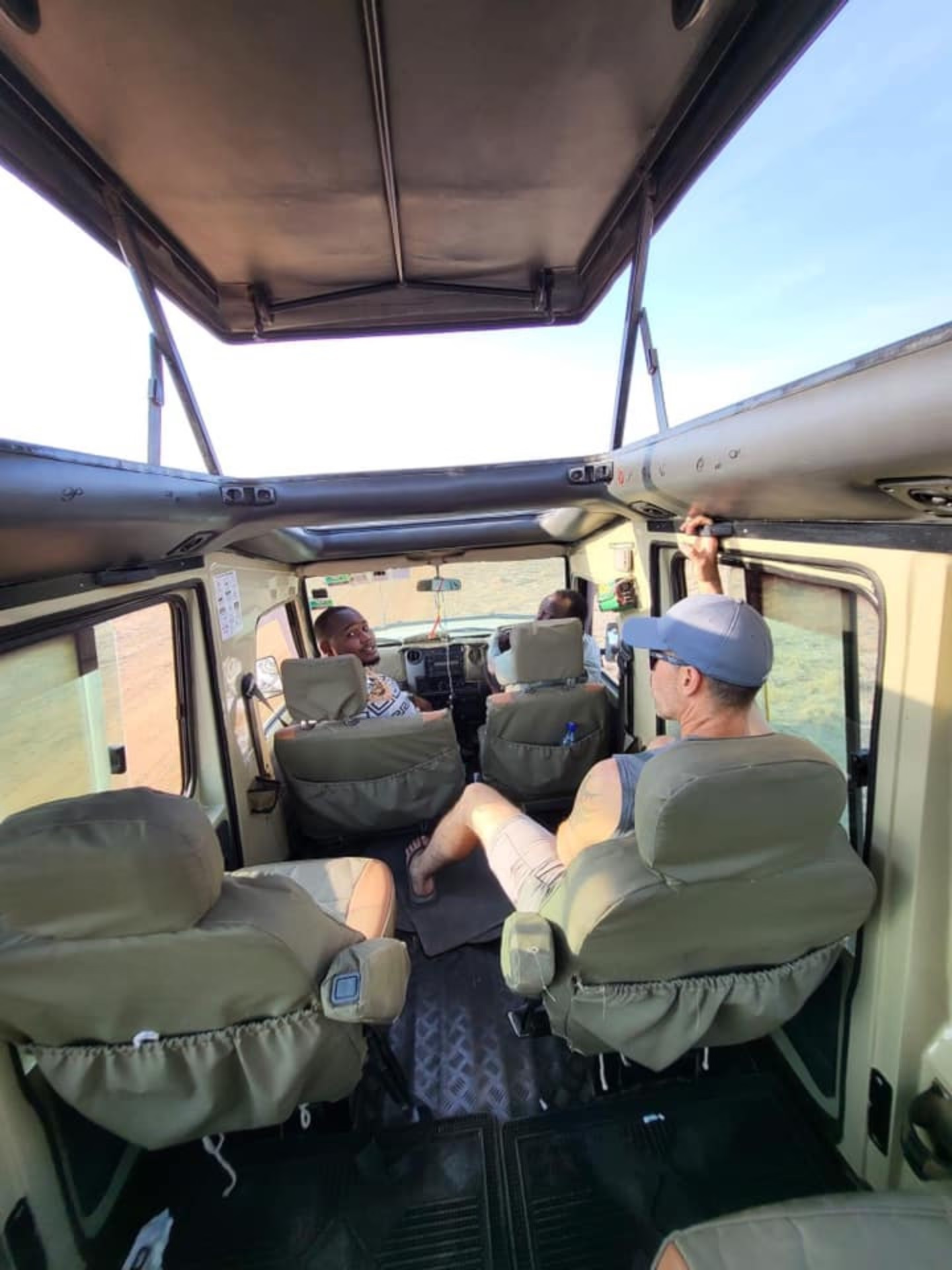
Yes, as long as you follow a few simple rules. Your guide will tell you when you can stand up through the pop-up roof and when to sit down and stay quiet. Stay inside the vehicle in the parks unless your guide says it is fine to get out, for example at a picnic site or viewpoint.
Many safari camps are not fenced. Animals can walk through at night, which is part of the appeal, so camps often ask guests to be walked to their tent after dark by a member of staff. Do it, even when the path looks short.
Keep food out of your tent and zip it up when you go out. Monkeys and baboons learn quickly where snacks are kept.
Health: malaria and travel advice
Speak to your GP or a travel clinic about six to eight weeks before you travel. Malaria is present in the safari areas and on the coast, and they can advise on what you need based on your health and where you are going.
The TravelHealthPro page for Kenya has the UK’s official guidance on vaccines and health risks. Read it before your appointment so you know what to ask.
Simple measures help too: long sleeves and trousers in the evening, insect repellent, and sleeping under the net when the camp provides one. Drink bottled or filtered water and take a small first aid kit.
Practical steps before you book
- Check the current FCDO advice for Kenya, then check it again a week before you fly.
- Buy travel insurance that covers medical evacuation and the activities you plan to do.
- Apply for your Kenya eTA online before travel, and read our UK planning checklist for the paperwork in order.
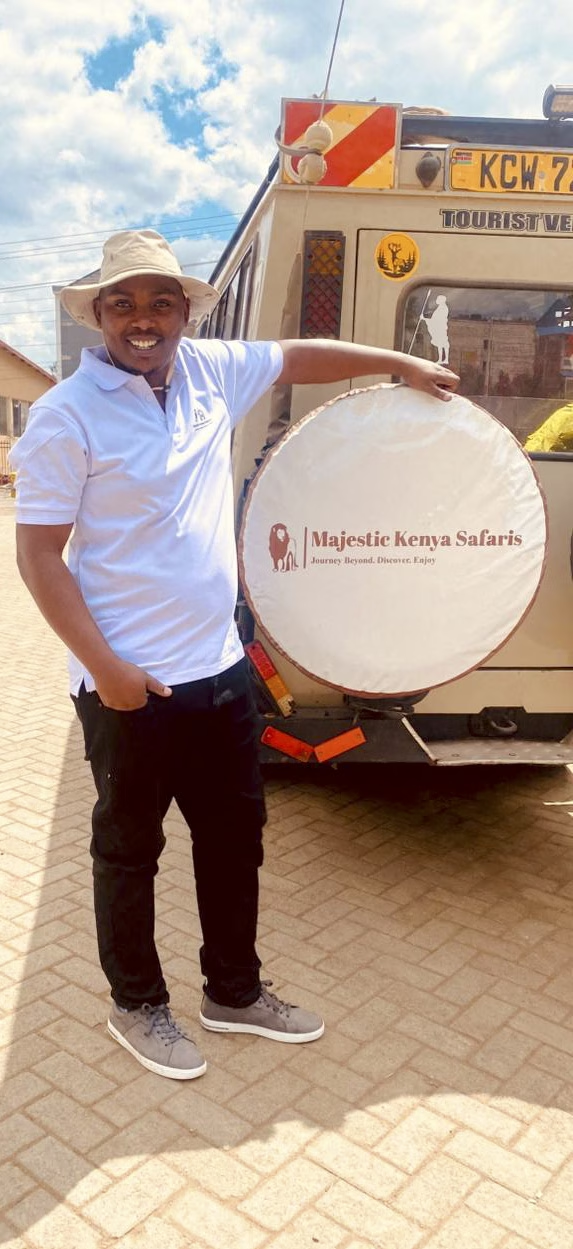
- Book with a licensed operator. Majestic Safari Holidays is a trading name of Majestic Kenya Safaris and Tours Limited, licensed by Kenya’s Tourism Regulatory Authority (TRA1/47/C01/78639) and has an office at Cianda House in Nairobi.
- Share your itinerary and emergency contacts with someone at home.
When you are ready to look at routes, browse the full list of private Kenya trips with park fees included, or ask us to plan one around your dates.
Quick answers
Is Kenya safe for a family safari?
Yes, families travel on the same routes and in the same private vehicles. Our family safari holidays include short trips that fit a half-term week and longer ones timed for the summer holidays.
Is the Kenyan coast safe?
Diani and Watamu are not in the areas the FCDO warns against. The restricted coastal areas are further north, around Lamu County and the Tana River.
Last updated: 5 November 2026