
Tell us your dates, group size and budget. A consultant in Nairobi replies within 24 hours with an itinerary and an exact price. No payment needed.
Prefer to talk? WhatsApp or call +44 7441 477005 (UK)
Most Kenya safaris use nine parks and reserves: the Masai Mara, Amboseli, Samburu, Ol Pejeta, Lake Nakuru, Lake Naivasha, Tsavo East, Tsavo West and Nairobi National Park. The Mara is best for big cats, Amboseli for elephants, Lake Nakuru and Ol Pejeta for rhino, and Samburu for northern species.
This guide compares them on wildlife, travel time from Nairobi, fees and how long to stay, then shows how they fit together on one trip. Each park has its own detailed guide, written by our team in Nairobi.
TRA licensed
TRA1/47/C01/78639
Honeymoon extras
Dinners, wine, decorated rooms
Covered in detail
Drive time from Nairobi
Daily fee per adult
North, south, Rift Valley
Nine parks and reserves, each with a full guide covering wildlife, the best months, where to stay and how to get there.
 Masai Mara National ReserveBig cats all year and the wildebeest migration from about July to October.5 to 6 hours from NairobiRead the guide
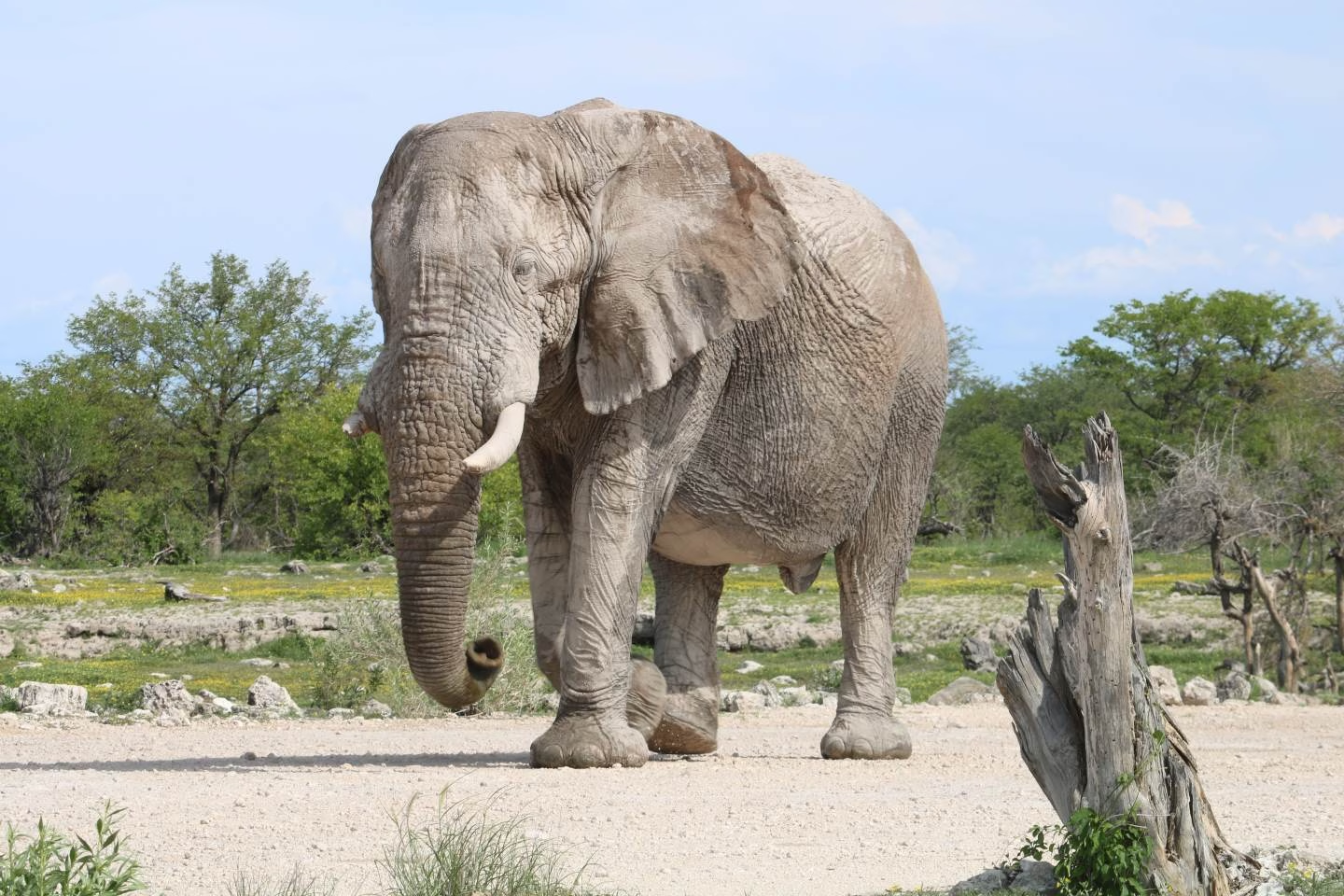 Amboseli National ParkRelaxed elephant herds with Kilimanjaro on the skyline.4 to 5 hours from NairobiRead the guide
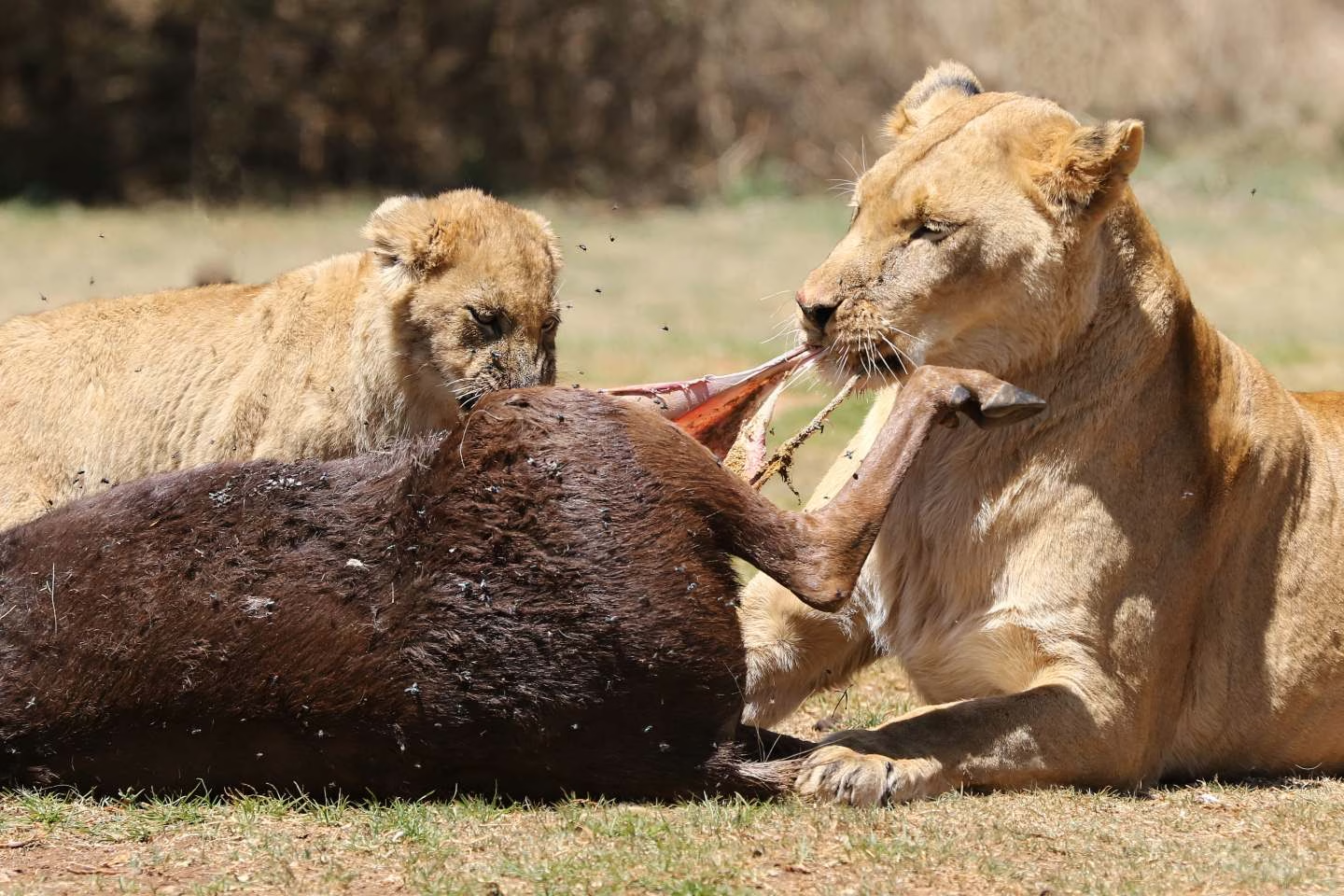 Samburu National ReserveNorthern species you won’t see in the south, along the Ewaso Ng’iro River.5 to 6 hours from NairobiRead the guide
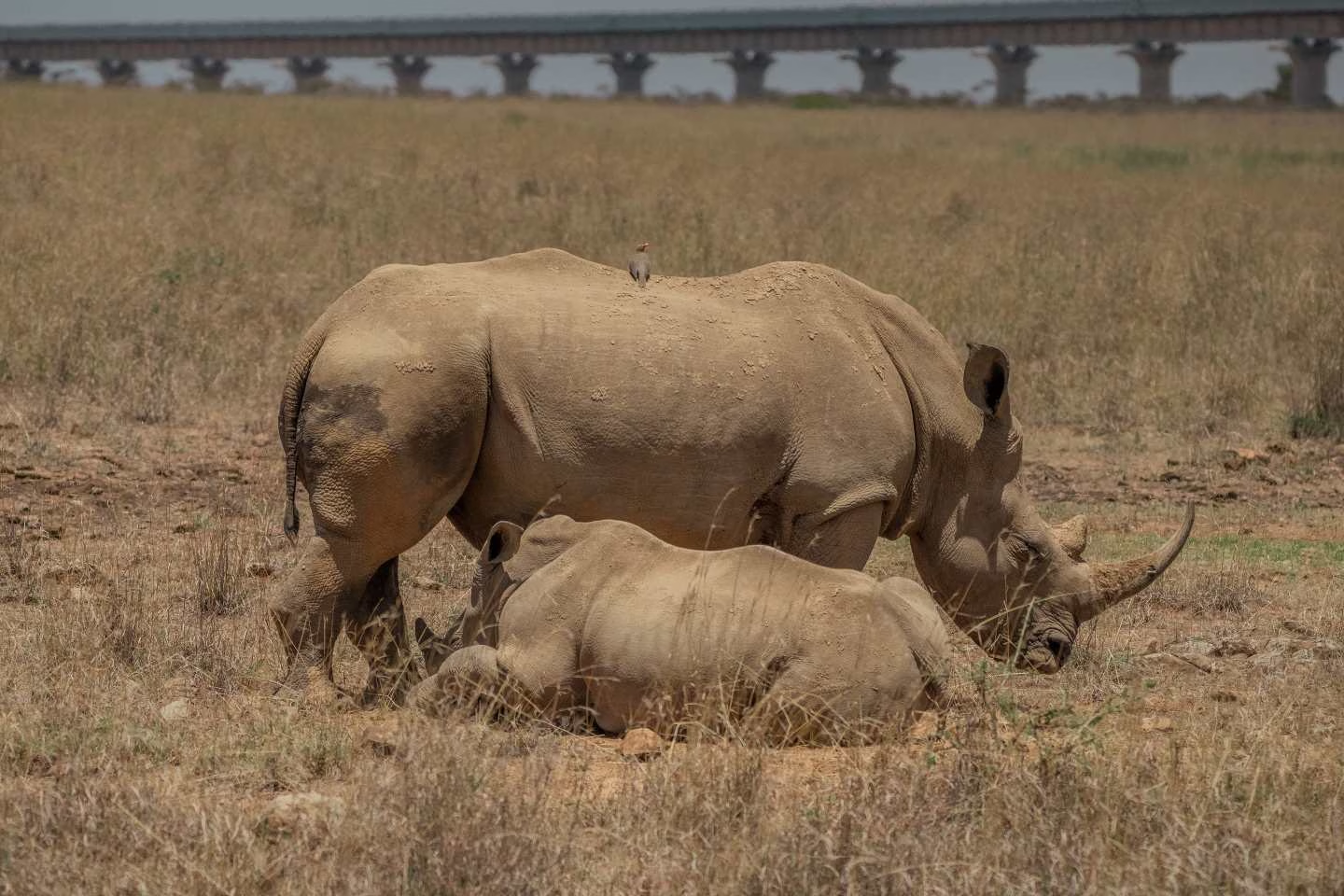 Ol Pejeta ConservancyBlack rhino, the last northern white rhinos and night drives.3.5 to 4 hours from NairobiRead the guide
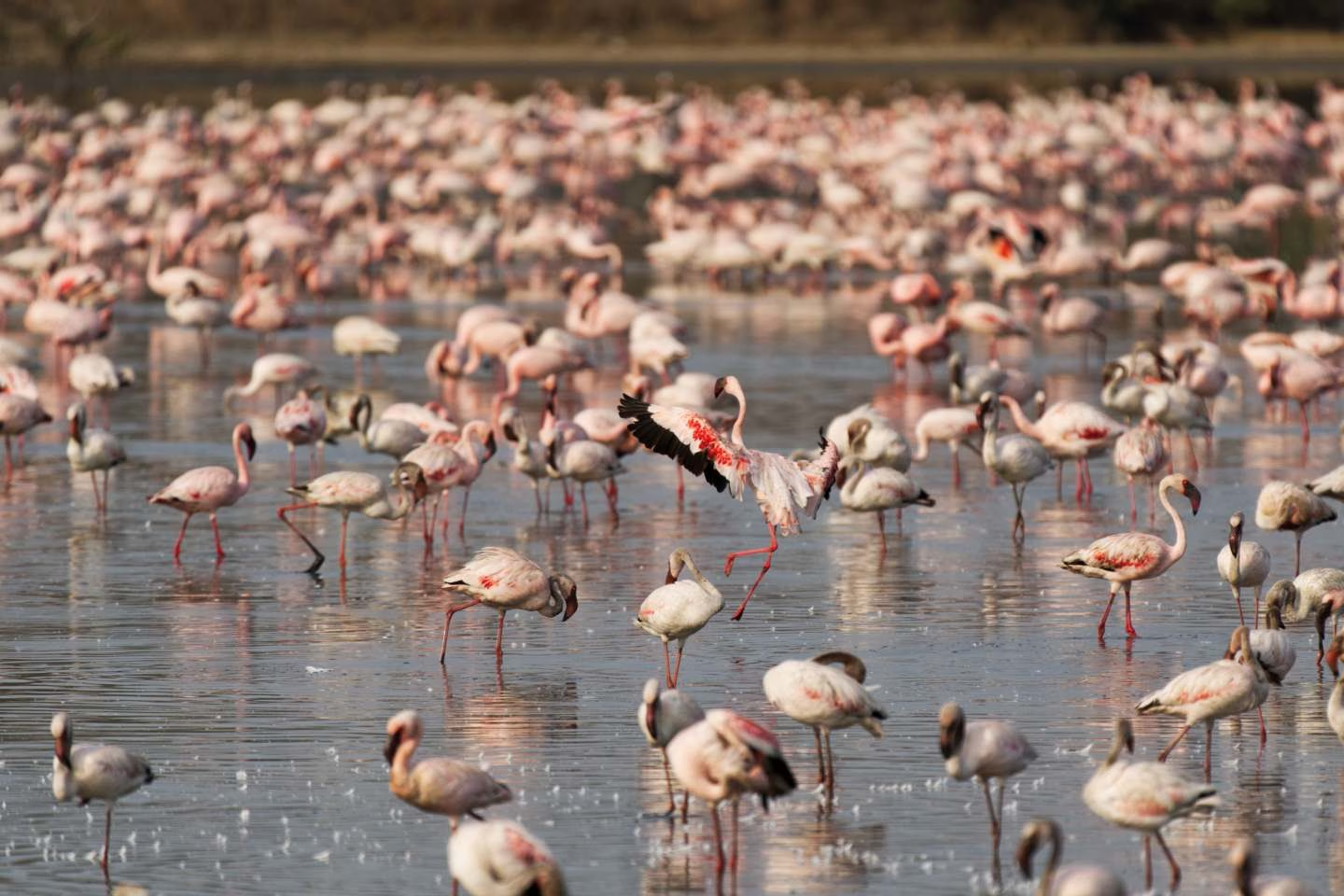 Lake Nakuru National ParkOne of Kenya’s best parks for white and black rhino.3 to 3.5 hours from NairobiRead the guide
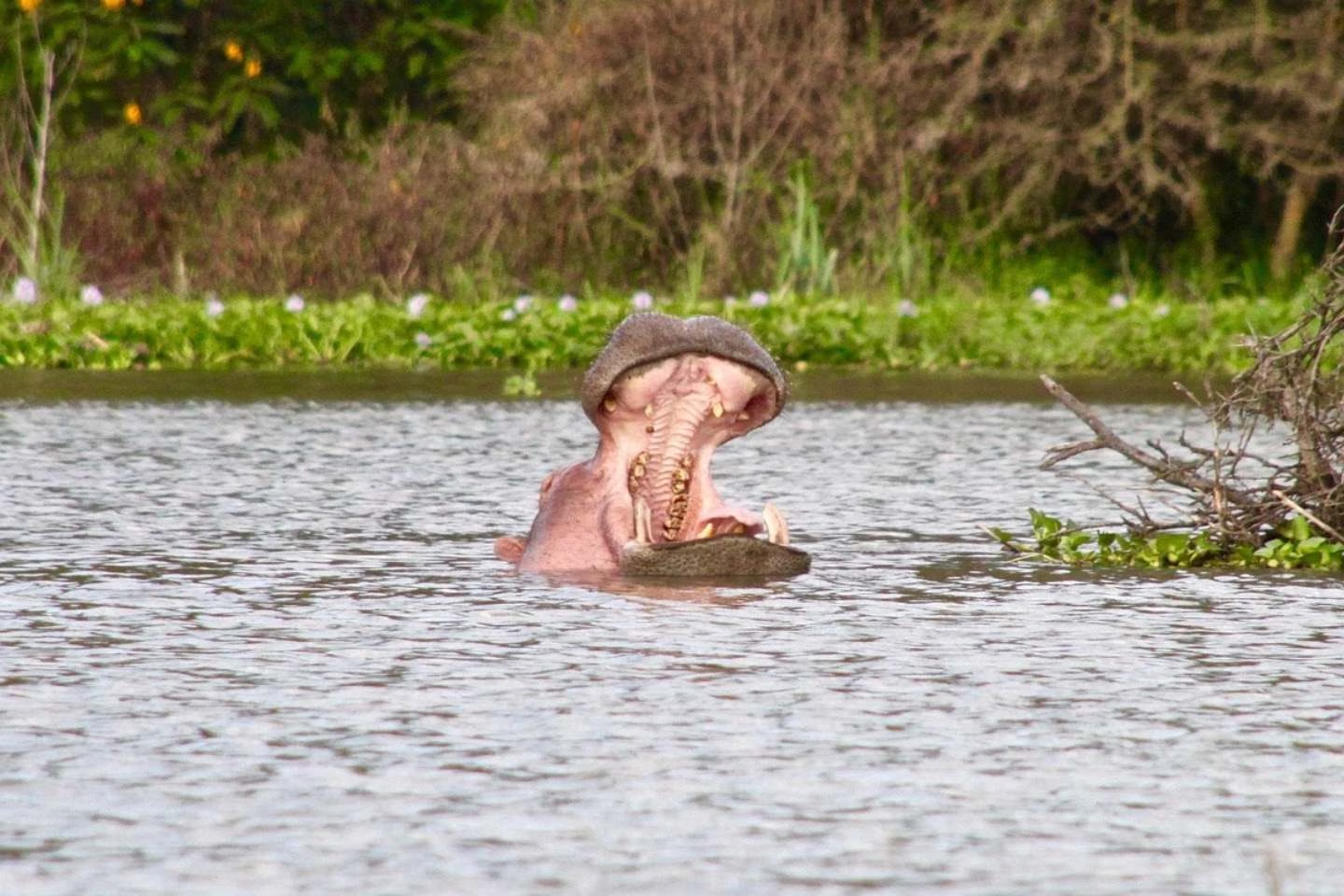 Lake NaivashaBoat rides among hippos and a slower night between parks.2 to 2.5 hours from NairobiRead the guide
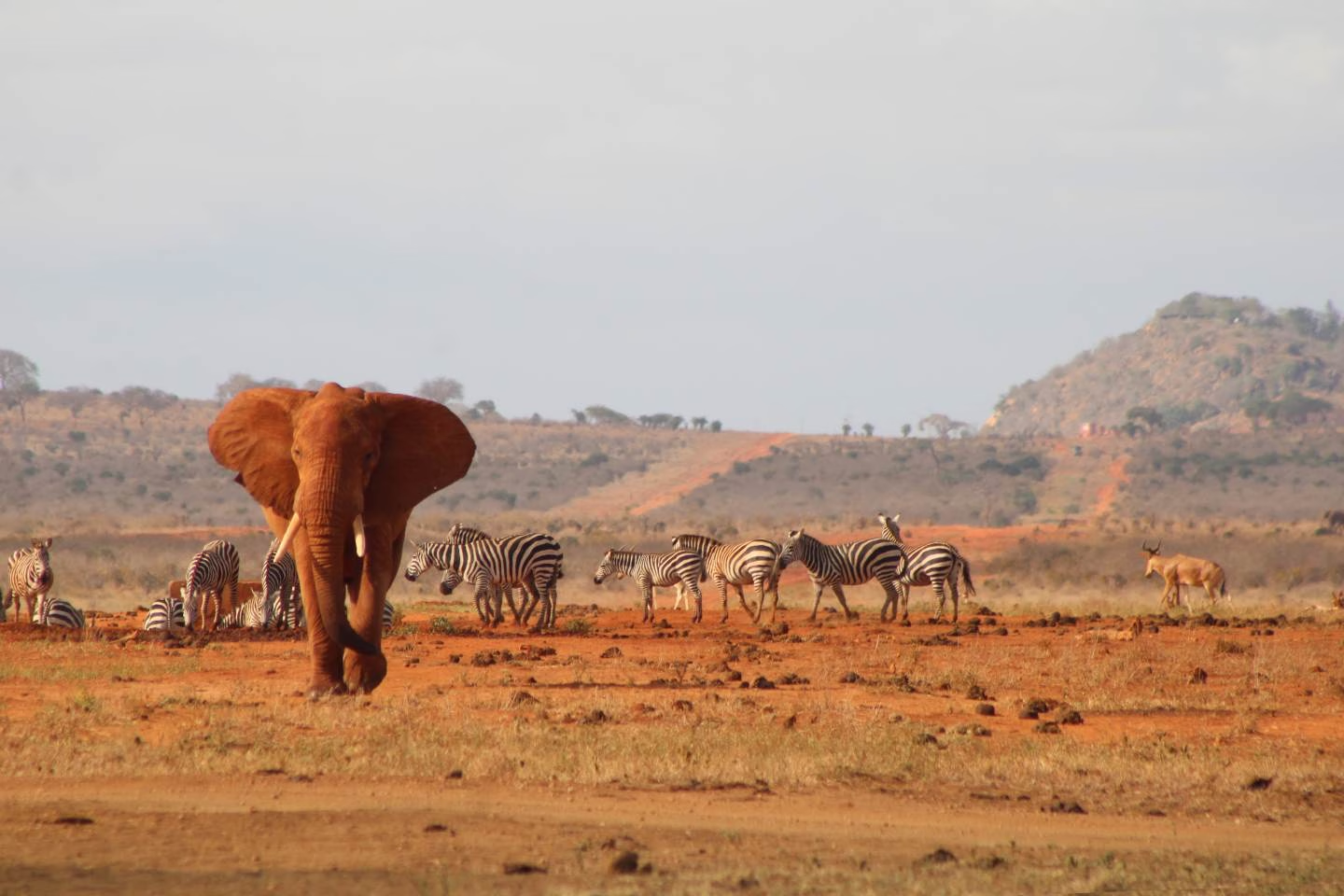 Tsavo East National ParkRed-dusted elephants, and the closest park to the coast.5 to 6 hours from NairobiRead the guide
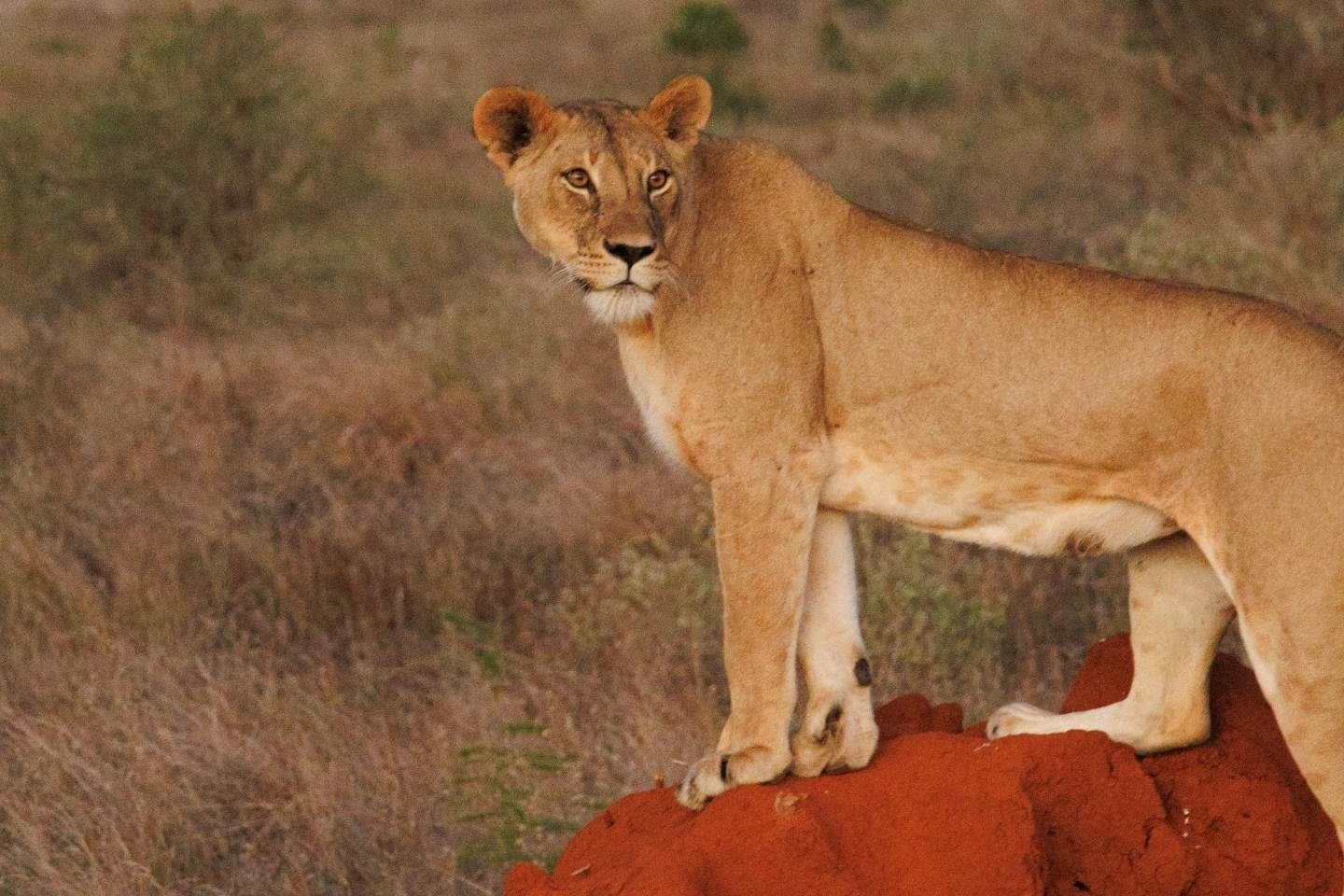 Tsavo West National ParkMzima Springs, lava flows and a black rhino sanctuary.4 to 5 hours from NairobiRead the guide
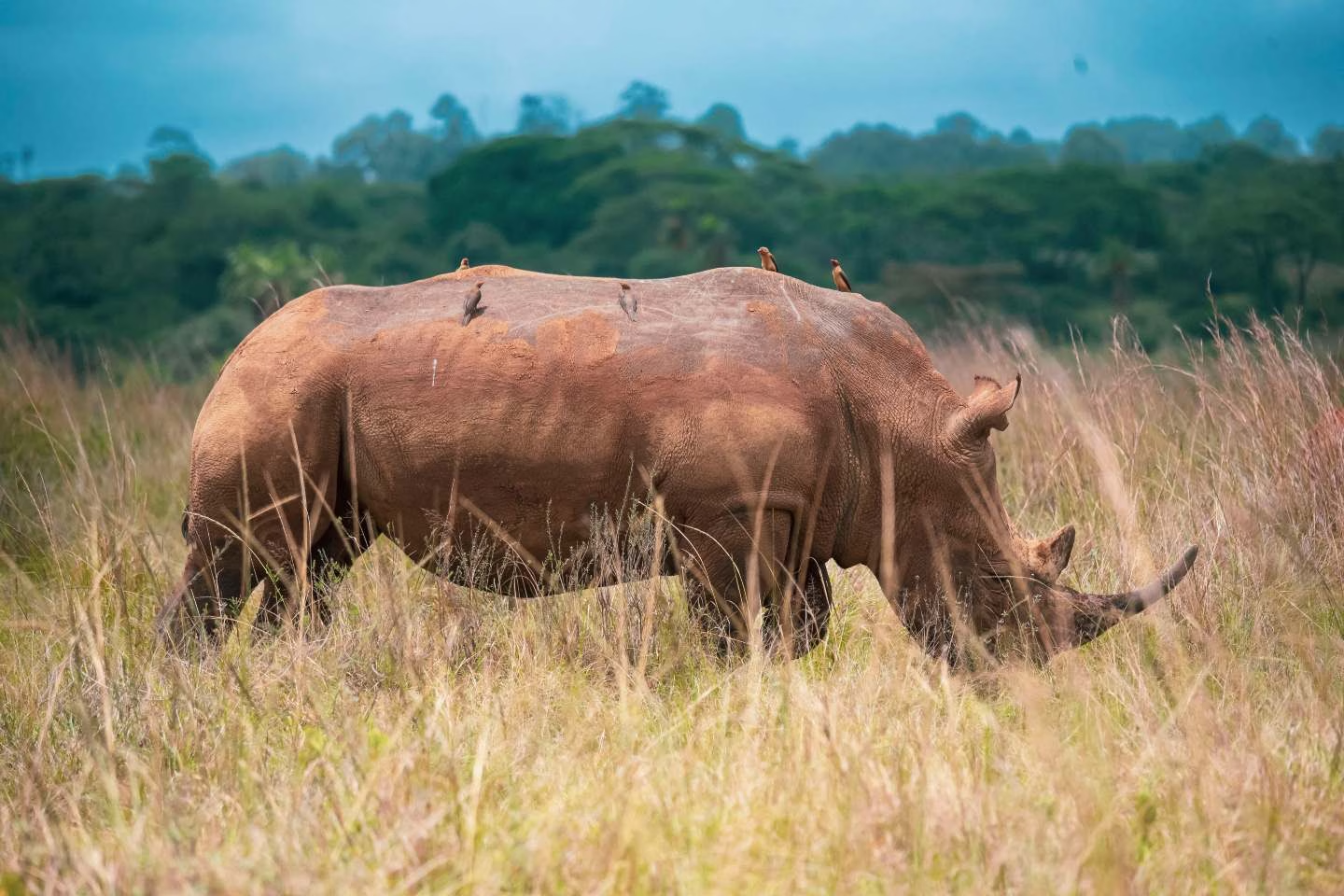 Nairobi National ParkRhino and lions on the edge of the city, ideal for a half day.20 to 40 minutes from NairobiRead the guide
Travel times are by road. Every park fee is included in our trip prices.

Park fees are the biggest hidden cost on many quotes. Ours are always included, so the price you see is the price you pay on the ground.
Every private trip shows the price for two, three, four, five and six travellers, for both halves of the year. No “price on request”.
A Kenyan company with a Nairobi office and TRA licence. You deal with the people who run your trip, not a UK reseller.
No surprise costs on the ground. If it isn’t listed here, we tell you before you book.
“The trip completely exceeded our expectations, even despite it not being ‘peak season’ we were able to tick off Africa’s Big 5 on the very first game drive. This was in no small part down to our guide, Bonnie…”
“Stanley Gichuki crafted the journey of dreams… Samburu was our favorite in terms of landscape. We stood in awe in Samburu as reticulated giraffes swept across the horizon…”
“Our guide Samuel was fantastic – incredible wildlife knowledge and spotted animals from miles away. We saw the Big Five, including a pride of lions with cubs in the Maasai Mara.”
Kenya has dozens of protected areas, but most safaris use nine of them. The table shows what each one is best for, how far it is from Nairobi and how long we suggest staying. Travel times are by road unless stated, and fees are for non-resident adults.
| Park | Known for | From Nairobi | Daily fee (adult) | Nights we suggest |
|---|---|---|---|---|
| Masai Mara | Lions, cheetahs and leopards; the migration from about July to October | 5 to 6 hours by road, 45 minutes by air | US$100 Jan to Jun, US$200 Jul to Dec | 3 to 4 |
| Amboseli | Big elephant herds with Kilimanjaro behind them | 4 to 5 hours by road, 45 minutes by air | About US$90 | 2 to 3 |
| Lake Nakuru | White and black rhino, Rothschild’s giraffe, birdlife | 3 to 3.5 hours by road | About US$90 | 1 to 2 |
| Lake Naivasha | Boat rides among hippos, Crescent Island | 2 to 2.5 hours by road | No lake fee; activities priced separately | 1 to 2 |
| Samburu | The Samburu Special Five and the Ewaso Ng’iro River | 5 to 6 hours by road, about 1 hour 15 minutes by air | Set by the county | 3 |
| Ol Pejeta | Black rhino, the last two northern white rhinos, a chimpanzee sanctuary | 3.5 to 4 hours by road | Conservancy fee, set privately | 2 to 3 |
| Tsavo East | Red-dusted elephants and wide open wilderness | 5 to 6 hours by road or about 5 hours by train | About US$80 | 2 |
| Tsavo West | Mzima Springs and a black rhino sanctuary | 4 to 5 hours by road | About US$80 | 2 to 3 |
| Nairobi National Park | Rhino, lions and giraffe with the city skyline behind | 20 to 40 minutes | About US$80 | Half a day |
Every fee in the table is already in our trip prices, so you won’t pay anything at the gate.
The Masai Mara is the park most first-time visitors want, and for good reason. Lion prides are large, cheetahs hunt on the short grass in daylight, and leopards are found along the Talek and Mara rivers. From about July to October the wildebeest migration is usually in the reserve, though the herds follow the rain, so crossings are never guaranteed. Our Masai Mara destination guide covers the seasons, camps and fees in full.
On the way to or from the Mara, the Rift Valley lakes break up the drive. Lake Nakuru is one of Kenya’s rhino sanctuaries, with white rhino grazing near the shore and black rhino in the acacia woodland. One night is enough to see the park, and our Lake Nakuru guide explains when two nights are worth it.
Lake Naivasha is a slower stop: a boat ride among the hippos, a visit to Crescent Island to see giraffe and zebra, and a quiet evening by the water. It sits about 2 to 2.5 hours from Nairobi, so it works as a first or last night. See what to do at Lake Naivasha for the options.
Amboseli is the place for elephants. The herds are relaxed around vehicles, the land is flat and open, and on a clear morning Kilimanjaro rises behind them. Cloud often covers the mountain by mid-morning, which is why we suggest at least two nights. The Amboseli National Park guide has the best months for clear views.
Tsavo East and Tsavo West together make up one of the largest protected areas in Africa. Tsavo East is open and dry, known for elephants coated in red dust, and it is the easiest park to reach from the coast, about 2.5 to 3 hours from Diani. Read our guide to Tsavo East if you are planning safari and beach in one trip.
Tsavo West is hillier and greener, with lava flows, a black rhino sanctuary and Mzima Springs, where clear water bubbles up from under the Chyulu Hills. It sees very few vehicles, even in August. Our Tsavo West destination guide covers how to fit it between Amboseli and the coast.
Samburu, about 5 to 6 hours north of Nairobi, has animals you won’t see in the south: Grevy’s zebra, reticulated giraffe, the gerenuk, the beisa oryx and the Somali ostrich, known together as the Samburu Special Five. In the dry months, animals gather along the Ewaso Ng’iro River. It is hot here, often 30 to 35°C in the day. The Samburu National Reserve guide has more on the wildlife and camps.
Ol Pejeta Conservancy sits below Mount Kenya, about 3 hours from Samburu, so the two pair naturally. It holds more than 200 black rhino, the last two northern white rhinos in the world, and Kenya’s only chimpanzee sanctuary. As a private conservancy it also allows night drives, which national parks don’t. Our Ol Pejeta Conservancy guide lists the activities and what they cost.
Nairobi National Park lies on the edge of the capital, 20 to 40 minutes from the city centre. It is small, but it has rhino, lions, buffalo and giraffe, and the photographs with the skyline behind are hard to get anywhere else. It suits a half-day drive after an early arrival or before a late flight home. There are no elephants here. Our Nairobi National Park guide explains how to fit it in.
Kenya’s parks fall into three loose circuits, and most good trips stick to one or two of them. Driving between circuits usually means going back through Nairobi, which costs a day.
With a week, two parks plus one lake stop is comfortable. With 10 to 14 days you can join two circuits, or add the coast. Our guide to how many days a Kenya safari needs has worked examples.
The names matter because they change the rules and the fees. National parks, such as Amboseli, Nakuru, Tsavo and Nairobi, are run by Kenya Wildlife Service. National reserves, such as the Masai Mara and Samburu, are run by their county governments, which set their own fees.
Conservancies are private or community land, usually next to a park or reserve. Animals move freely between them, but vehicle numbers are capped and activities such as night drives are often allowed. Conservancy fees are usually part of the camp rate. Our piece on staying in the Mara reserve or a conservancy compares the two.
Kenya Wildlife Service fees for non-resident adults are about US$80 to US$90 a day at the parks above. Its 2025 fee increase was challenged in the High Court, so the exact figure for your dates can change. The Masai Mara charges US$100 a day from January to June and US$200 from July to December.
Fees are paid electronically at the gate, but on our trips they are already included in the price. For the full breakdown, see Kenya park fees explained.
Ready to compare trips? Every route above is on our Kenya safari packages page, with prices in pounds.
Last updated: 5 November 2026
Have a budget in mind?Tell us the figure and we will build the best trip we can for it.
Majestic Safari Holidays is a trading name of Majestic Kenya Safaris and Tours Ltd, a Kenyan tour operator licensed by the Tourism Regulatory Authority (TRA1/47/C01/78639), with an office at Cianda House in Nairobi. We run every trip on this page ourselves.
Last updated: 2 November 2026
For most first-time visitors it is the Masai Mara, because big cats are easy to find all year and the migration is usually there from about July to October. If elephants matter most, add Amboseli. Many people combine the two, or add Lake Nakuru for rhino.
Two parks and one lake stop is comfortable in seven days by road, for example Lake Nakuru, Lake Naivasha and the Masai Mara. Trying to fit in more usually means long days in the vehicle rather than more time watching animals.
The Masai Mara regularly gives you lion, leopard, elephant and buffalo, but rhino are rare there. For rhino, add Lake Nakuru, Ol Pejeta or Nairobi National Park. Ol Pejeta has all five, though no sighting can be promised anywhere.
Yes. Park, reserve and conservancy fees are included in every trip we sell, so there is nothing to pay at the gate. Fees change with the season and occasionally by law, and we quote the fee that applies to your dates.
National parks, such as Amboseli and Lake Nakuru, are run by Kenya Wildlife Service. National reserves, such as the Masai Mara and Samburu, are run by county governments, which set their own fees and rules. For a visitor, the game drives feel much the same.
Parks with shorter drives from Nairobi work well: Nairobi National Park, Lake Naivasha and Lake Nakuru. Amboseli is a good next step, at 4 to 5 hours by road or 45 minutes by air, and the elephants are easy for children to see.
Send your dates, group size and budget. We reply within 24 hours with a day-by-day plan and a fixed price in pounds.