 By Stanley GichukiPublished 5 November 20265 min read
Stay inside the Masai Mara National Reserve if you want to be close to the Mara River and the migration, or just outside a gate if price matters most. A private conservancy suits people who want fewer vehicles and more freedom on game drives, but it usually costs more. On a longer trip you can split your nights between two.
Where you sleep shapes your days more than most people expect: how early you see your first animal, how many other vehicles are around it, and what you pay. Most of the Mara safaris we organise use camps inside the reserve or near its gates, and a conservancy stay can be added on a custom trip.
What is the difference between the reserve and a conservancy?
The Masai Mara National Reserve is the protected core of the area, managed under Narok County. Visitors pay a daily entry fee: US$100 per non-resident adult from 1 January to 30 June and US$200 from 1 July to 31 December, with children aged 9 to 17 paying US$50. A ticket covers 12 hours, from 6am to 6pm.
The conservancies are separate areas of land around the reserve’s edges, set up in partnership with Maasai landowners. They are not open to anyone who turns up. Access is mostly for guests of the camps inside them, and each conservancy sets its own rules on how many vehicles can be out and what activities are allowed.
Conservancy fees are usually included in camp rates, so you will not see them as a separate line in a quote. The wildlife is the same: there are no fences between the conservancies and the reserve, and animals move freely across both.
Reserve, gate or conservancy at a glance
| Inside the reserve | Near a reserve gate | Private conservancy | |
|---|---|---|---|
| Daily park fee | Mara entry fee each day | Mara entry fee for each day you drive in | Conservancy fee usually in the camp rate; Mara fee only on days you enter the reserve |
| Time to the game | None, you are already in it | A drive to the gate first | Game drives start at camp |
| Vehicles at sightings | Can be busy, especially July to October | Same as the reserve once inside | Usually fewer, as vehicle numbers are limited |
| Price | Mid-range to luxury | Lowest | Usually the highest |
| Example from our range | Governors’ Camp, Ashnil Mara Camp, Sarova Mara Game Camp | Enchoro Wildlife Camp, Jambo Mara Safari Lodge (Talek gate) | Arranged on a custom trip |
Staying inside the reserve
A camp inside the reserve puts you in the game from the moment you step out of your tent. There is no drive to a gate and no queue in the morning, which matters most in July to October when you want to be at the river early.
Several of our trips use camps inside. The five days at Governors’ Camp on the Mara River is a good example, from £1,650 per person for a group of six in January to June. Ashnil Mara Camp, used on our fly-in trip, and Sarova Mara Game Camp are also inside the reserve.
The trade-off is traffic. At a big sighting in high season, many vehicles can gather, and the reserve’s rules keep drivers to the tracks. Good guides know when to wait and when to move on.
Staying near a gate
The camps just outside the reserve boundary are the best-value way to see the Mara. You drive into the reserve each day, paying the entry fee for each day you go in, and come back out in the evening.
Our budget Mara trip at Enchoro Wildlife Camp costs from £460 per person for a group of six, and the mid-range 3-day safari at Jambo Mara Safari Lodge near Talek gate from £585. The rooms are simpler and you lose a little time getting to the gate, but the wildlife you see once inside is the same.
For first-timers on a budget, this is usually the right choice. Spend the money you save on an extra day rather than a fancier tent.
Staying in a conservancy
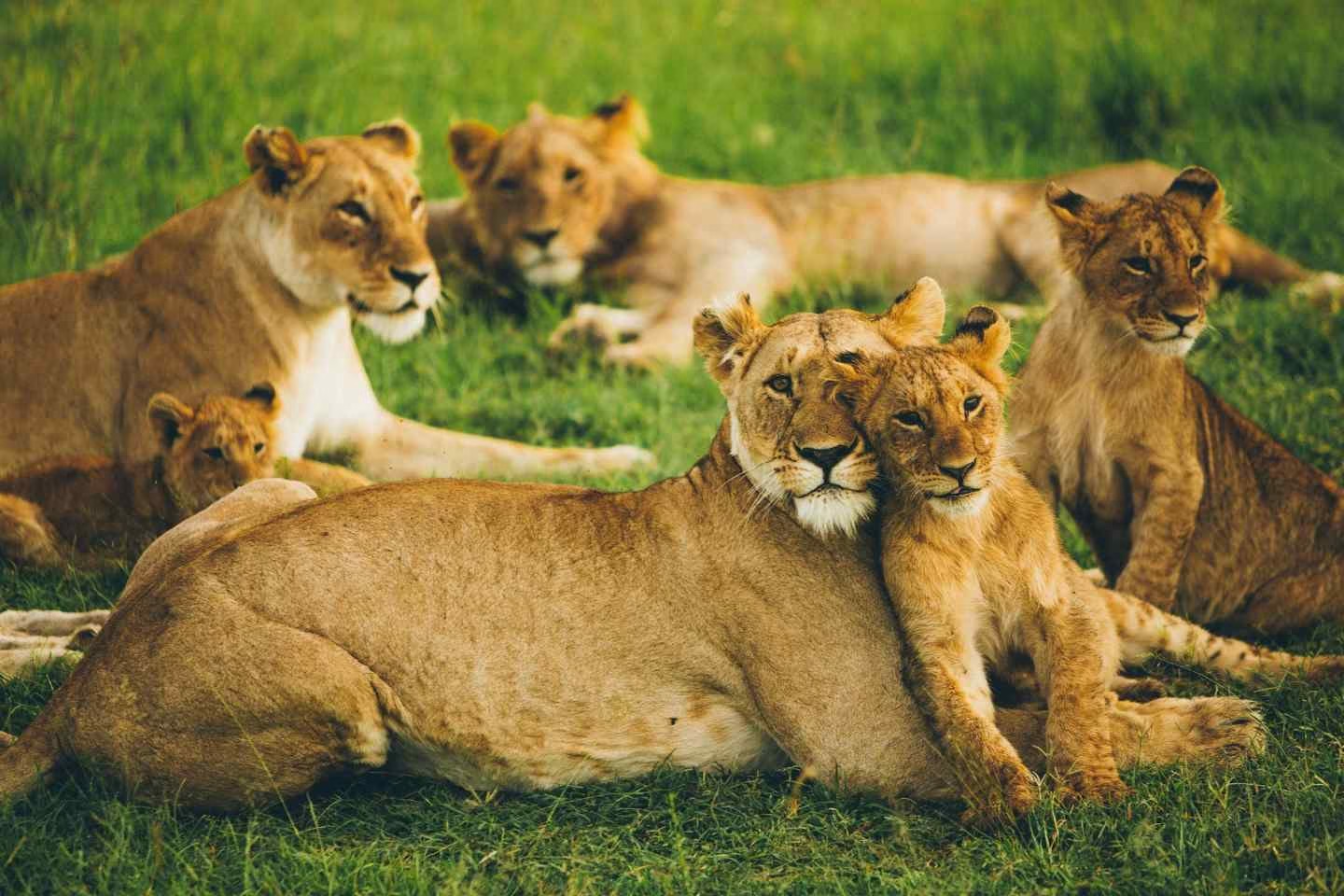
Conservancy camps tend to be small, with limited beds and limited vehicles on the land. That is the main reason people choose them: a lion sighting is more likely to be shared with one or two other vehicles than twenty.
Many conservancies also allow activities the reserve does not, such as night drives, and some let guides drive off the tracks to reach a sighting. Rules vary from one conservancy to the next, so ask what a camp offers before you book.
Two things to weigh up. Conservancy camps usually cost more per night. And if you want to see the Mara River in migration season, you may need to drive into the reserve, paying the daily entry fee for that day. If a conservancy appeals, tell us on our custom trip request and we will price it against an equivalent reserve camp.
Which should you choose?
- First safari on a budget: a camp near a gate, with an extra day if you can.
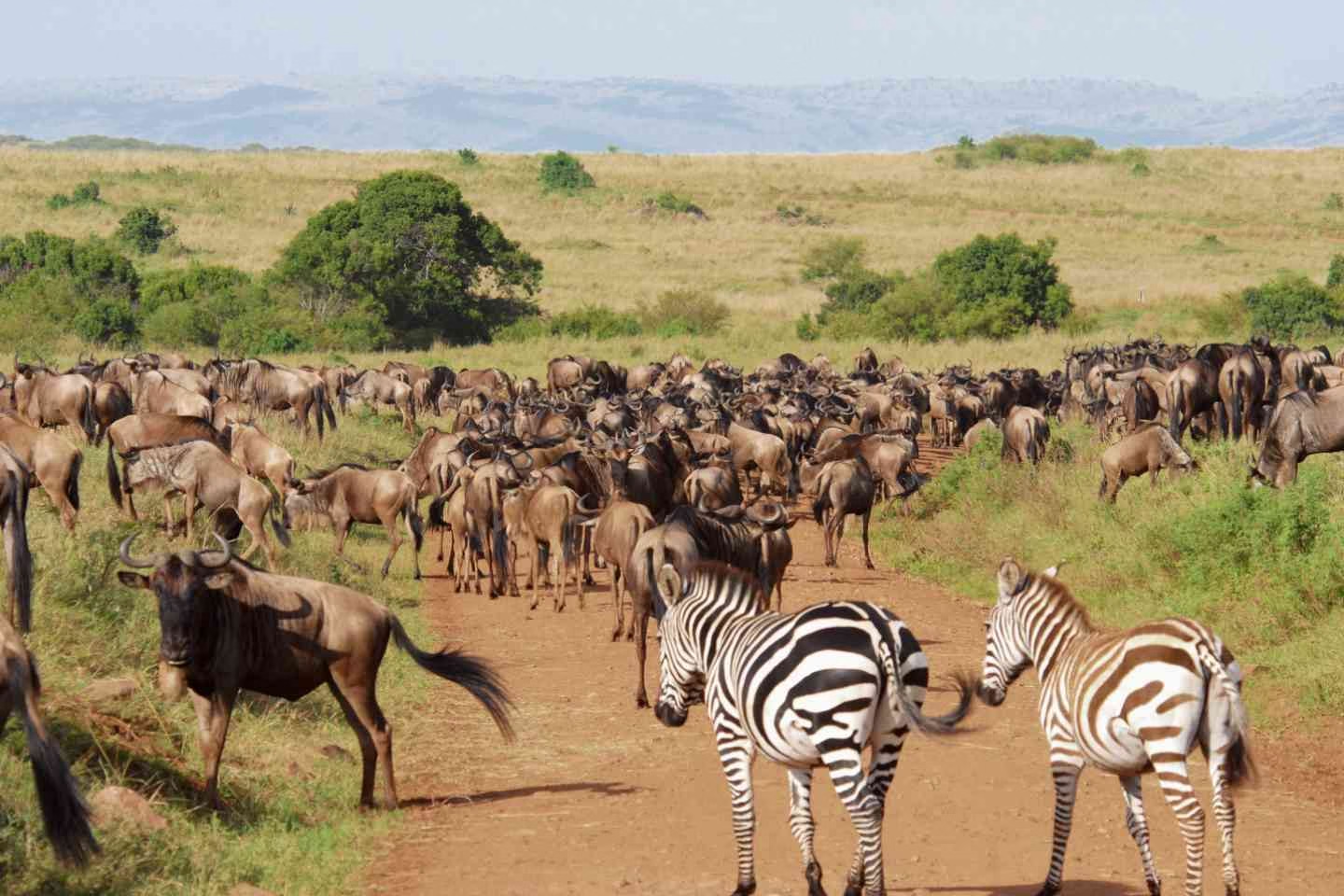
- Migration, July to October: inside the reserve, ideally near the river. Our guide to Mara seasons and the migration explains the timing.
- Honeymoon or a quieter trip: a conservancy, or a smaller camp inside the reserve.
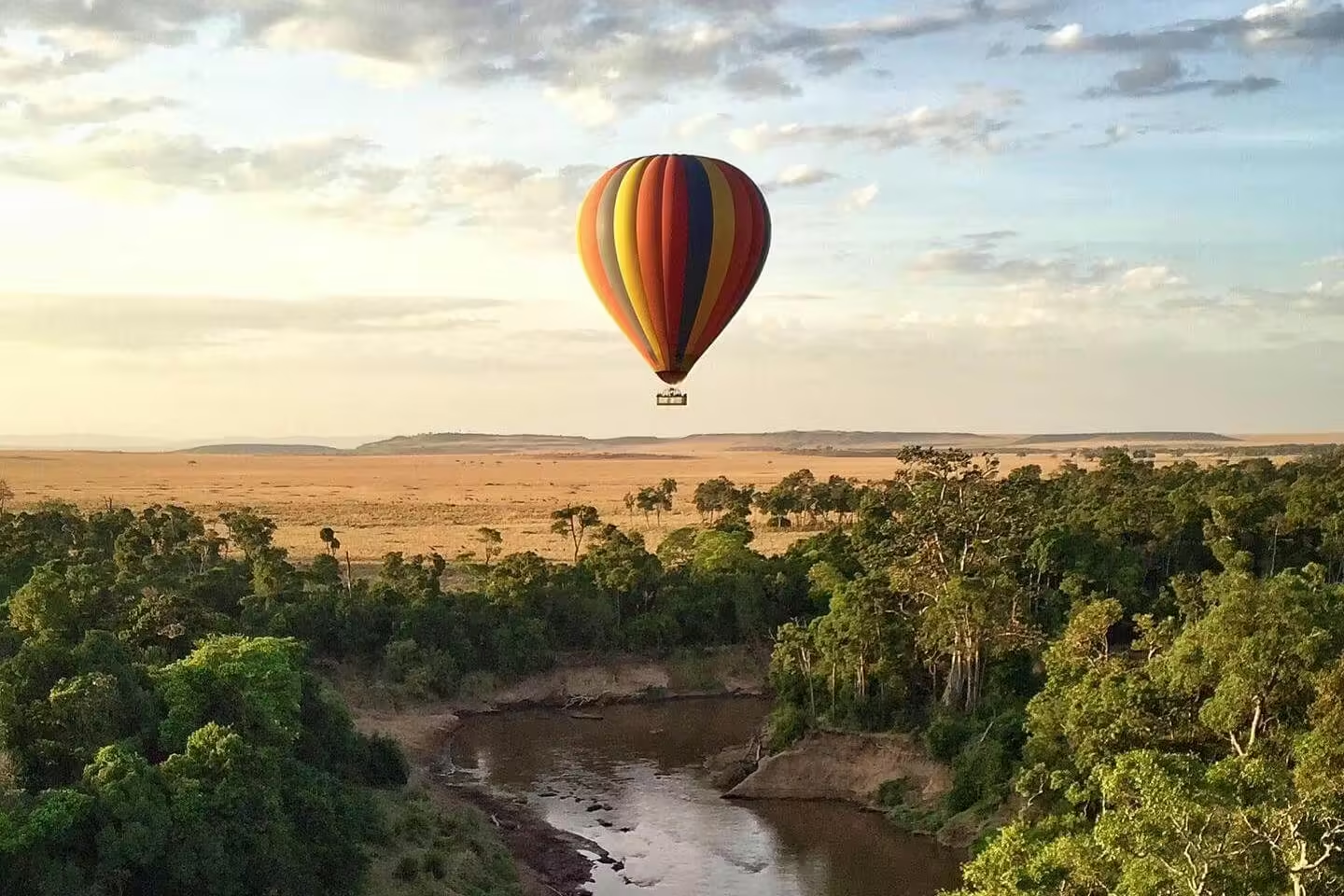
- Balloon flight: any base works, though your camp’s location affects how early the pickup is. Our article on ballooning over the Mara has the details.
For background on the reserve itself, including its rivers and main areas, read our Masai Mara reserve guide.
When you are ready, compare prices across Mara packages at every budget and ask us for a quote. We reply within 24 hours.
Last updated: 5 November 2026