 By Stanley GichukiPublished 5 November 20265 min read
The best time to visit the Masai Mara for the wildebeest migration is usually July to October. For lower prices and dry weather without the crowds, January and February are the better choice. The Mara has lions, elephants and plains game all year, so there is no bad month, only trade-offs between weather, price and the herds.
The month you pick changes what you pay as much as what you see. On our Masai Mara trips, prices step up from July, mainly because the reserve’s entry fee doubles.
The Masai Mara month by month
This table sums up a typical year. Weather varies from one year to the next, and the migration follows the rain and the grass rather than the calendar.
| Month | Weather | What to expect | Mara entry (non-resident adult) |
|---|---|---|---|
| January | Dry, warm days | Resident wildlife; the herds are calving in Tanzania’s Serengeti | US$100 a day |
| February | Dry | Good game viewing, lower prices | US$100 a day |
| March | Dry spell ending, showers possible | Quieter, still good value | US$100 a day |
| April | Long rains | Green and quiet, some tracks muddy | US$100 a day |
| May | Long rains | Usually the quietest month | US$100 a day |
| June | Drying out, some rain early on | Grass still long, prices still low | US$100 a day |
| July | Dry | Migration usually arriving | US$200 a day |
| August | Dry | Migration usually in the Mara; busy | US$200 a day |
| September | Dry | Migration usually in the Mara | US$200 a day |
| October | Dry | Herds often still present | US$200 a day |
| November | Short rains, afternoon showers | Herds usually heading back south | US$200 a day |
| December | Showers easing after early December | Festive season trips | US$200 a day |
Entry fees are set by Narok County and cover 12 hours (6am to 6pm). Non-resident children aged 9 to 17 pay US$50. We include park fees in every price we quote.
January to March: dry and good value
This is the Mara’s short dry season. Days are usually dry and warm, and the reserve is quieter than in August.
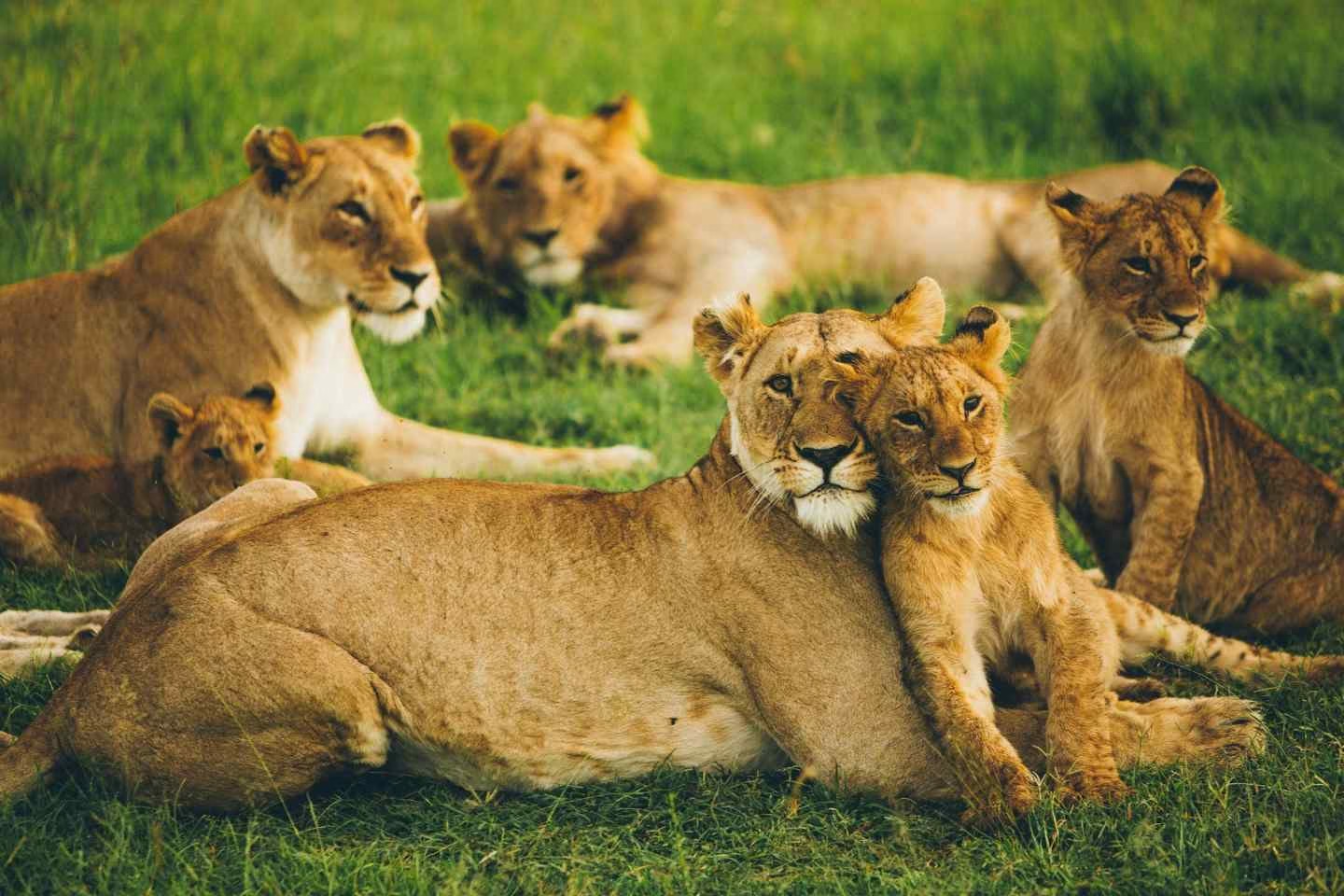
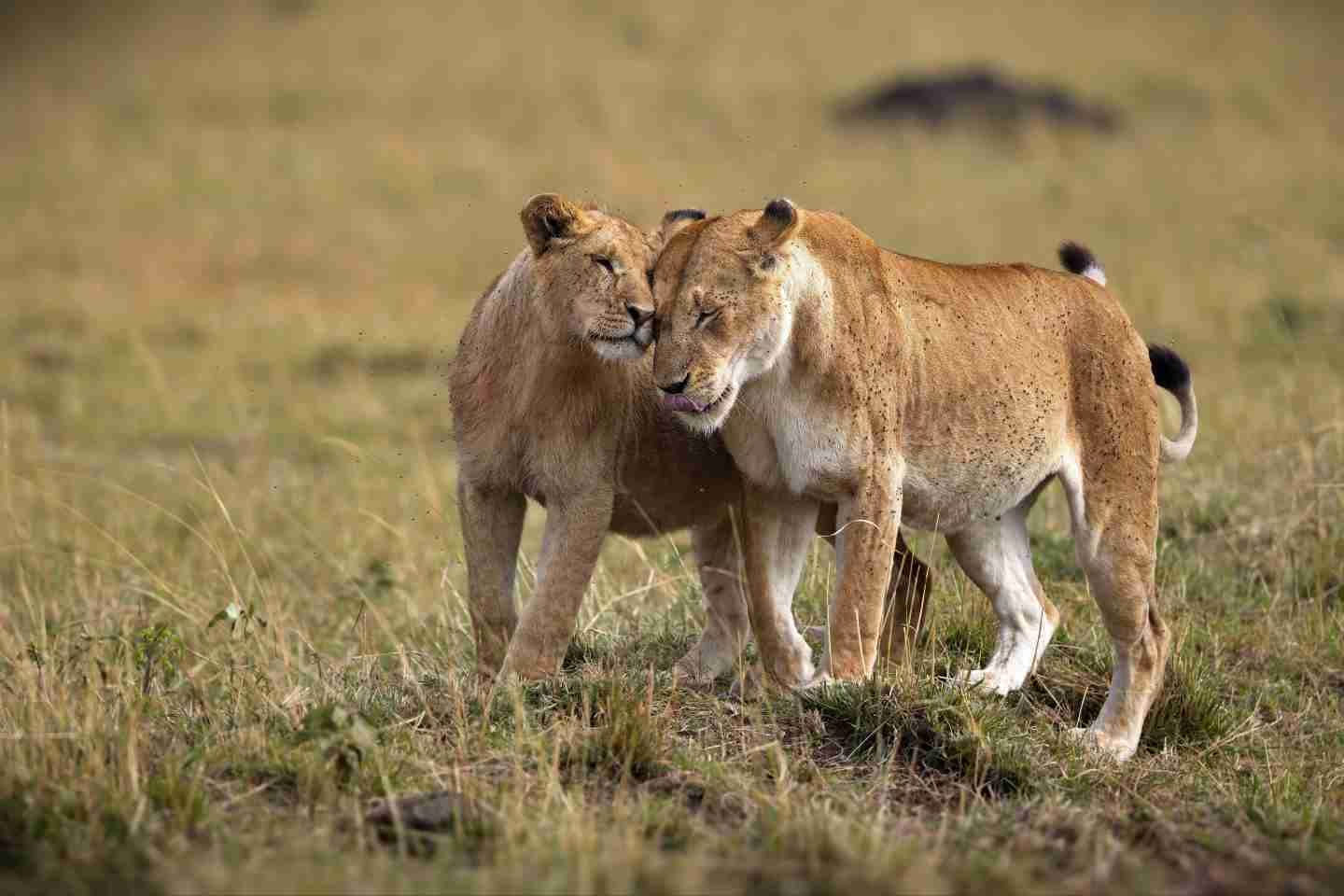
The big herds are not here. Early in the year they are in Tanzania’s Serengeti, where the calving takes place. What you do get is the Mara’s resident wildlife: the area is known for lions, cheetahs and leopards throughout the year, along with elephants, giraffes, zebras and topi.
For UK travellers, the February half term falls in this window, and the lower entry fee of US$100 a day applies. A short budget trip staying at Enchoro Wildlife Camp costs from £460 per person for a group of six in this period, against £640 from July.
April to June: the green season
The long rains fall roughly in April and May. They often come as heavy showers rather than all-day rain, but some tracks become muddy and game drives can take longer.
The reward is a green, quiet reserve and some of the lowest prices of the year. If you do not mind a wet afternoon, it can be a good time for photography, with dramatic skies and fewer vehicles at sightings.
By June the rain is easing and the grass is long. Prices and fees stay at the January to June level until the end of the month, which makes late June a useful window just before the high season starts.
July to October: migration season
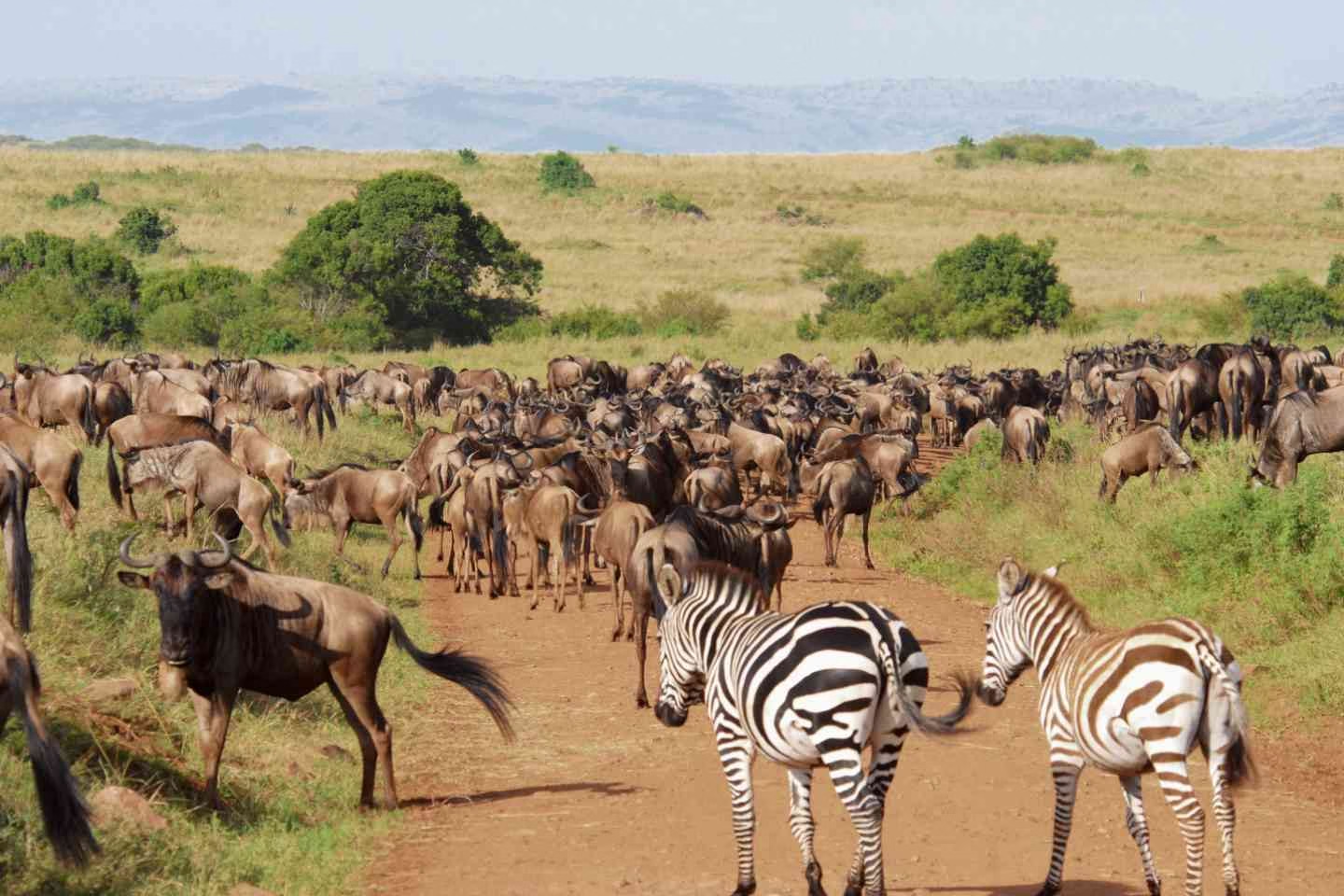
The wildebeest migration is usually in the Masai Mara from about July to October, along with large numbers of zebras. This is when people come hoping to see a Mara River crossing.
Be realistic about crossings. They are unpredictable: herds can gather on the bank for hours and turn back, or cross when nobody is there. Your guide will look for them and read the herds, but no one can promise you will see one. Staying near the river helps, and our article on choosing between the reserve and a conservancy explains which bases suit migration season.
It is also the busiest period, and the most expensive. The reserve fee rises to US$200 per adult per day from 1 July, and camp rates rise too. A 5-day stay at Governors’ Camp, for example, costs from £1,650 per person for six in the first half of the year and from £2,600 from July.
The UK summer holidays (late July to early September) overlap with the herds, which is why our summer family safari with a family tent at Sarova is timed for this period.
November and December
The short rains arrive in November, usually as afternoon showers, and ease in early December. Mornings are often clear, so the early game drive is rarely lost.
By now the herds are usually heading back towards Tanzania, though stragglers can stay. The reserve is quieter in November than at any time since June, but the higher July to December fee still applies.
December brings a busier festive period. If you want Christmas on safari, book well ahead.
How your month changes the price
A simple rule: January to June is cheaper, July to December is dearer. Some examples from our range, per person for a group of six:
- 3-day budget Mara safari: £460 January to June, £640 July to December.
- 7-day Lake Nakuru, Naivasha and Masai Mara safari: £1,200, rising to £1,800.
- 5-day Masai Mara luxury safari at Governors’ Camp: £1,650, rising to £2,600.
If cost matters more than the migration, our guide to the cheapest months for a Kenya safari looks at price across the whole country.
When you have a month in mind, compare every Mara itinerary on our page of Mara safari prices and camps.
Quick answers
Can I add a balloon flight in any month?
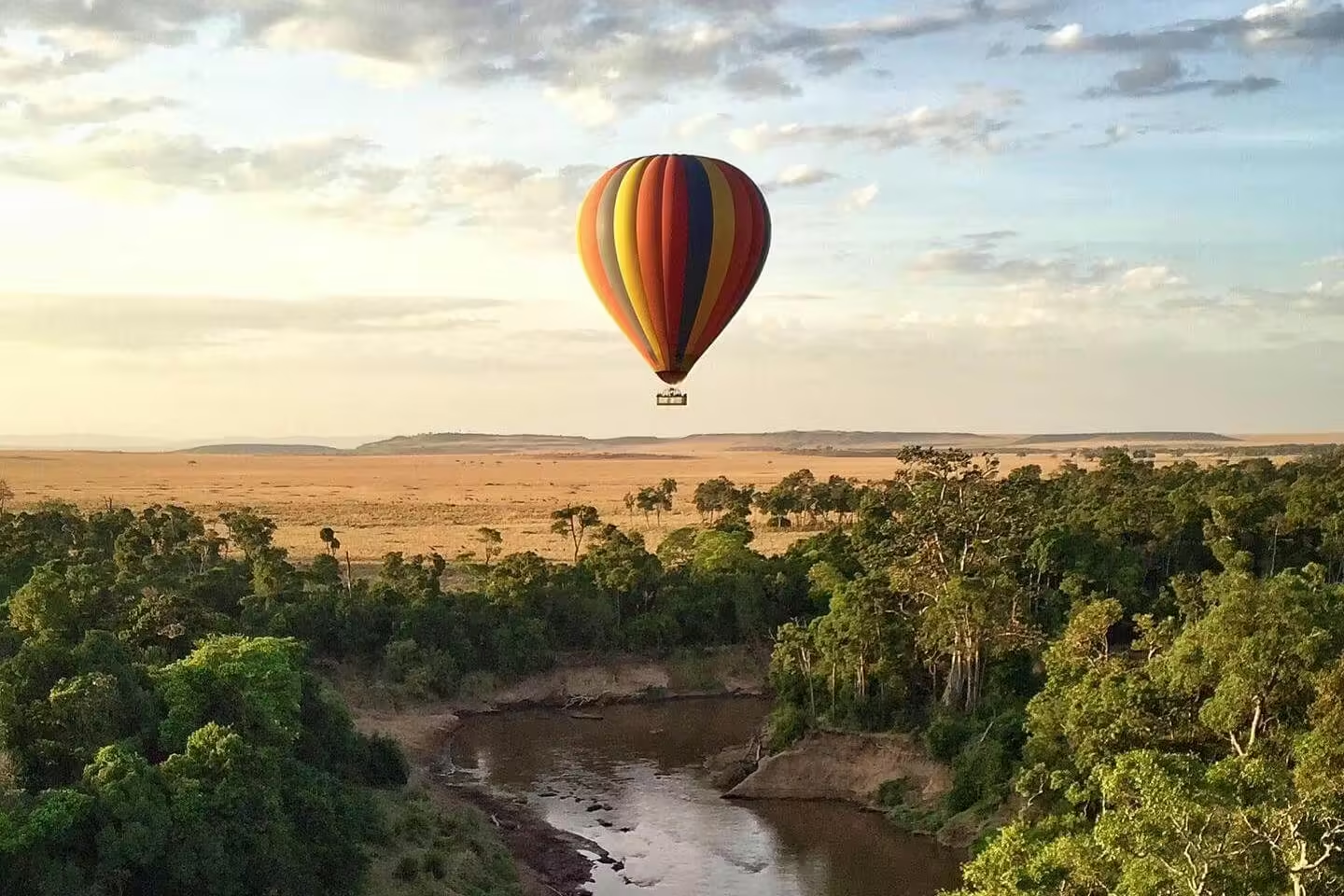
Balloon flights are not tied to a season, though weather can cancel them. Our Mara balloon guide covers cost and timing.
Is the Mara worth visiting in the rains?
Yes, if you accept some wet afternoons. The wildlife stays, the crowds thin out and prices are lower.
Last updated: 5 November 2026