 By Stanley GichukiPublished 5 November 20265 min read
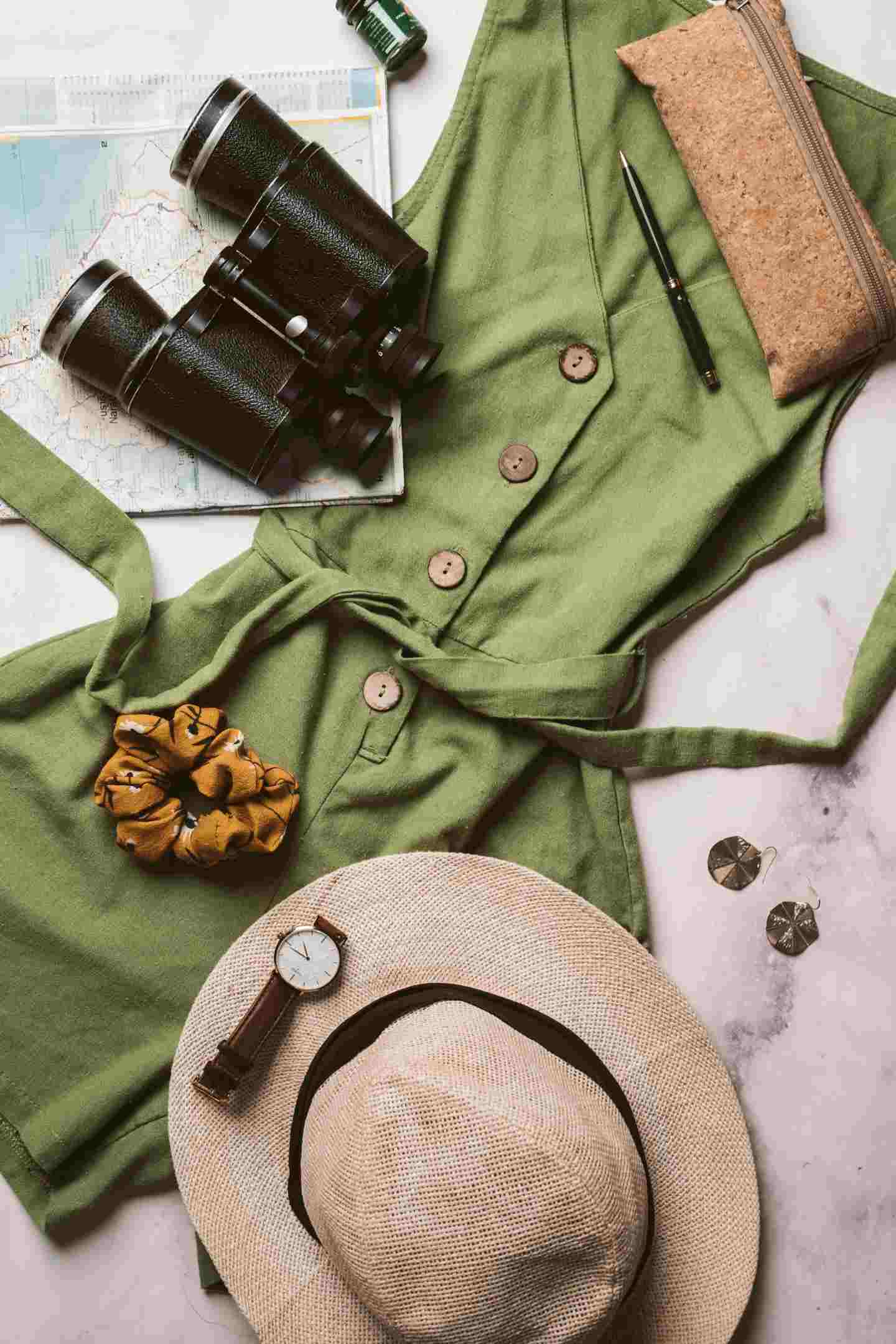
On most light aircraft flights to Kenya’s parks, you can take about 15 kg per person, including hand luggage, in a soft bag with no wheels or rigid frame. The exact limit is confirmed with your tickets. If you need more, buying an extra seat can sometimes be arranged.
This applies to scheduled flights from Wilson Airport in Nairobi with airlines such as Safarilink and Airkenya, which are the flights used on most fly-in trips to the parks. Your international flight to Nairobi will have its own, more generous allowance, but you have to pack for the smaller plane.
What the 15 kg rule means in practice
Three things catch people out. The weight includes your hand luggage, so your camera bag and daypack count. The bag must be soft, which rules out hard cases and wheeled cases. And it applies per person, not per couple, so you can’t pool 30 kg into one bag unless the airline agrees.
A soft duffel bag is the usual choice. It squashes into a small hold and is easy to carry from the airstrip to the vehicle.
You check in about an hour before the flight, and bags are weighed there. If you want to know how the morning runs, see what happens at Wilson on the day.
Why the limit exists
Safari aircraft are small. The hold is a compact space, bags are loaded by hand, and the total weight on board matters for every take-off and landing on a short bush airstrip.
Soft bags can be pushed into odd corners in a way a hard case can’t. That is the whole reason for the no-wheels, no-frame rule. Flights may also stop at other airstrips on the way, picking up more passengers and more bags, so space can get tight.
Packing to 15 kg
Fifteen kilos is plenty for a safari once you accept that you will wear things twice. Days follow a similar pattern: early start, game drive, rest, afternoon drive, dinner. Lodges often offer laundry, though some charge for it.
A workable list for one adult:
- Three or four shirts or tops in neutral colours, and two pairs of trousers or shorts.
- A fleece or warm layer for early mornings in the open vehicle.
- A light waterproof, especially in the rains of April to May or November.
- Comfortable shoes, plus sandals for camp.
- Hat, sunglasses, sun cream and insect repellent.
- Binoculars and a camera with spare batteries. Kenya uses the same three-pin plug as the UK.
- Any medicines you need, in their original packaging.
What to leave at home
- Any hard or wheeled case, however small.
- More than two pairs of shoes.
- Formal clothes. Dinner at a safari camp is relaxed, and smart-casual is as dressed up as it gets.
- Heavy books and guidebooks, if you can carry them on a phone or tablet instead.
- Bright white clothing, which shows the dust within an hour on a game drive.
Quick-drying fabrics help more than anything else. A shirt washed in the evening is usually dry by the next afternoon, which means you can pack fewer of them.
Travelling with children means juggling several allowances at once. Our packing list for families shows how to split the load across everyone’s bags.
For a dawn game drive in the open vehicle, the warm layer matters more than people expect. The highlands and the Mara can feel cold before sunrise, then hot by mid-morning, so pack one fleece rather than a heavy coat and peel layers off as the day warms up.
Camera kit is the usual problem. A long lens and body can weigh several kilos on their own, so weigh your bag at home with everything in it, including the daypack you will carry on board.
If you need more than 15 kg
The usual answer is to buy an extra seat on the aircraft, which gives you more weight allowance. It can sometimes be arranged, depending on the flight, so ask us early rather than at the airstrip.
Tell us when you book if you are carrying heavy photographic equipment or anything awkward. We can check the limit with the airline for your exact flights and plan the trip around it.
On our three-day fly-in to Ashnil Mara Camp, for example, the flights to and from Wilson are part of the trip, so the baggage limit is confirmed with your tickets before you travel.
Do the limits apply on road safaris?
No. On a road safari in your own private vehicle there is no 15 kg rule; the limit is the space in the 4×4. Soft bags are still easier to fit, especially with six people on board.
If you are mixing road and air, the flight sets the rule for the whole trip. Pack for the smallest plane you’ll board. Our guide to flying between parks and the coast shows which legs usually go by air.
Packing for safari and beach on one limit
A safari and beach holiday is the hardest to pack for, because you need warm layers for dawn drives and swimwear for the coast. The good news is that beach clothes weigh very little.
The nine-day Mara and Diani Beach trip flies from the Mara to Diani for five nights, so the same soft bag has to work for both. Pack light layers, one smart-casual outfit for dinner and leave the hairdryer behind.
Our fly-in packages start from £1,495 per person, and every quote states the baggage rules that apply to your flights.
Last updated: 5 November 2026